
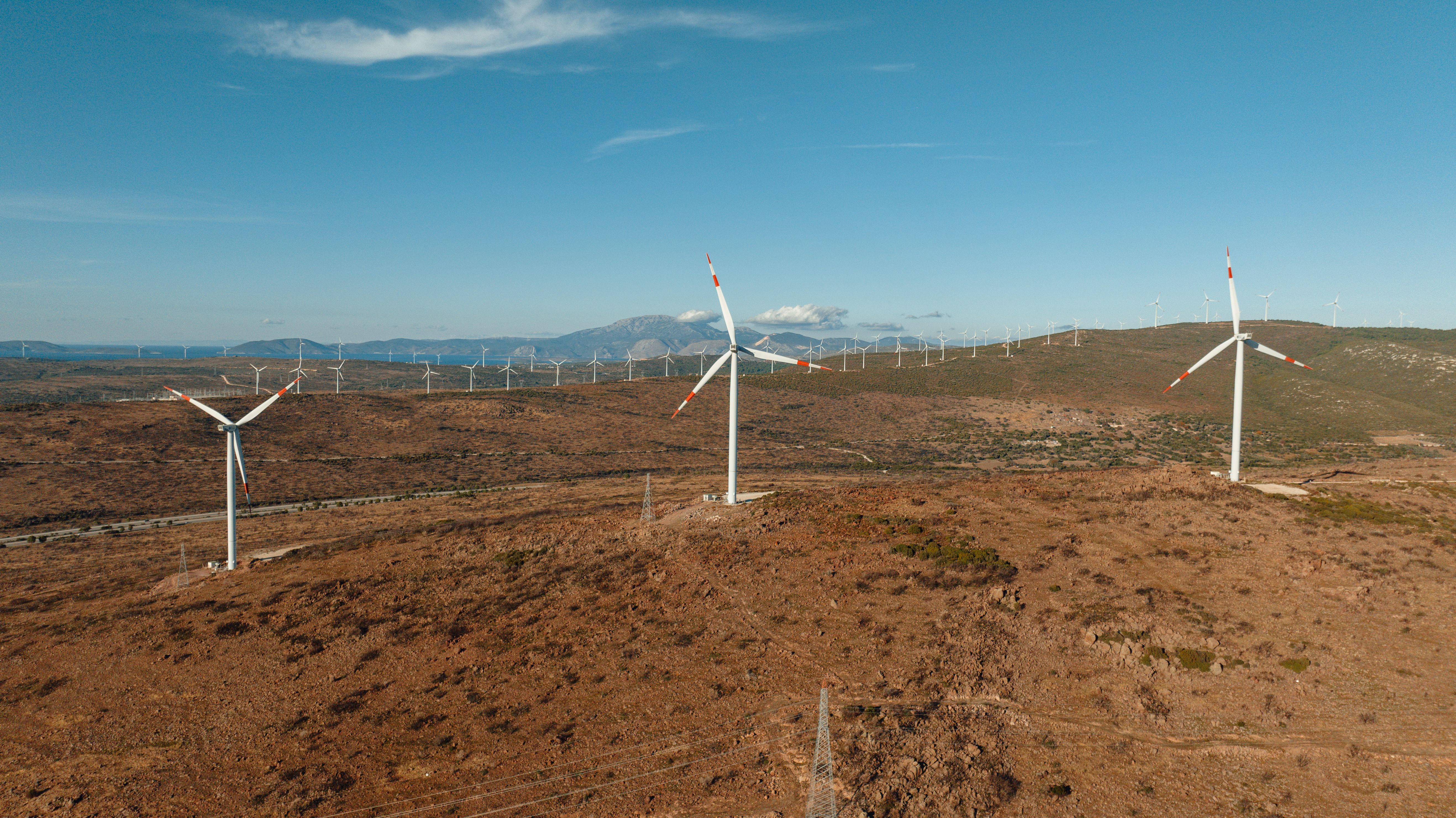
Tunisia plans to develop approximately 1,600 MW of renewable-energy capacity as part of its strategy to increase the renewable share of electricity generation.
According to government financial plans reviewed by Reuters, the country aims to increase renewables’ share of its electricity mix from approximately 12% in 2026 to 16% in 2027.
The proposed development programme includes two principal investment categories.
| Investment category | Planned capacity |
|---|---|
| Projects offered to international investors through concessions and licensing | Approximately 1,100 MW |
| Self-generation projects | Approximately 500 MW |
| Total | 1,600 MW |
Projects identified in the programme include a 198 MW development at Khnabna, a 77 MW wind farm and a proposed 300 MW solar plant with battery storage at Bazma, in Kebili Governorate.
Tunisia also plans approximately 515 MW of additional capacity through the sixth round of its licensing programme.
The government has a longer-term target of generating 35% of electricity from renewable sources by 2030.
Important distinction: The 1,600 MW figure represents planned development, not capacity that has already been financed or constructed.
The announcement does not establish that all projects have received final investment decisions or construction awards.
Why it matters — Energy Investor analysis
Tunisia’s announcement creates a potentially substantial opportunity for international renewable-energy developers.
The proposed 1,100 MW allocation to private investors is particularly significant.
It suggests that Tunisia intends to rely on private capital to deliver a large share of its electricity expansion.
The programme could generate opportunities for solar developers, wind-energy companies, battery suppliers, engineering contractors and project financiers.
However, the most important commercial questions concern electricity-purchase arrangements and the financing structures available to investors.
Tunisia remains heavily dependent on natural gas for electricity generation.
Increasing renewable capacity could reduce some exposure to gas supply costs and improve energy diversification.
Yet achieving the government’s targets will require more than identifying suitable projects.
Developers will need access to transmission infrastructure, predictable procurement rules and bankable electricity-purchase agreements.
The inclusion of battery storage at Bazma is also commercially relevant.
Storage could improve the flexibility of solar generation, but its additional capital costs must be supported by an appropriate revenue structure.
The second-order implication: Tunisia could become an important North African renewable-energy investment market if it successfully converts its planned concession and licensing programme into financed projects.
ENERGY INVESTOR QUESTION™
Can Tunisia attract enough private capital to deliver 1,100 MW of renewable-energy projects, and what financing structures will make them bankable?
Recommended treatment: Major renewable-energy investment feature, procurement tracker, and interview with the relevant Tunisian energy authority.