

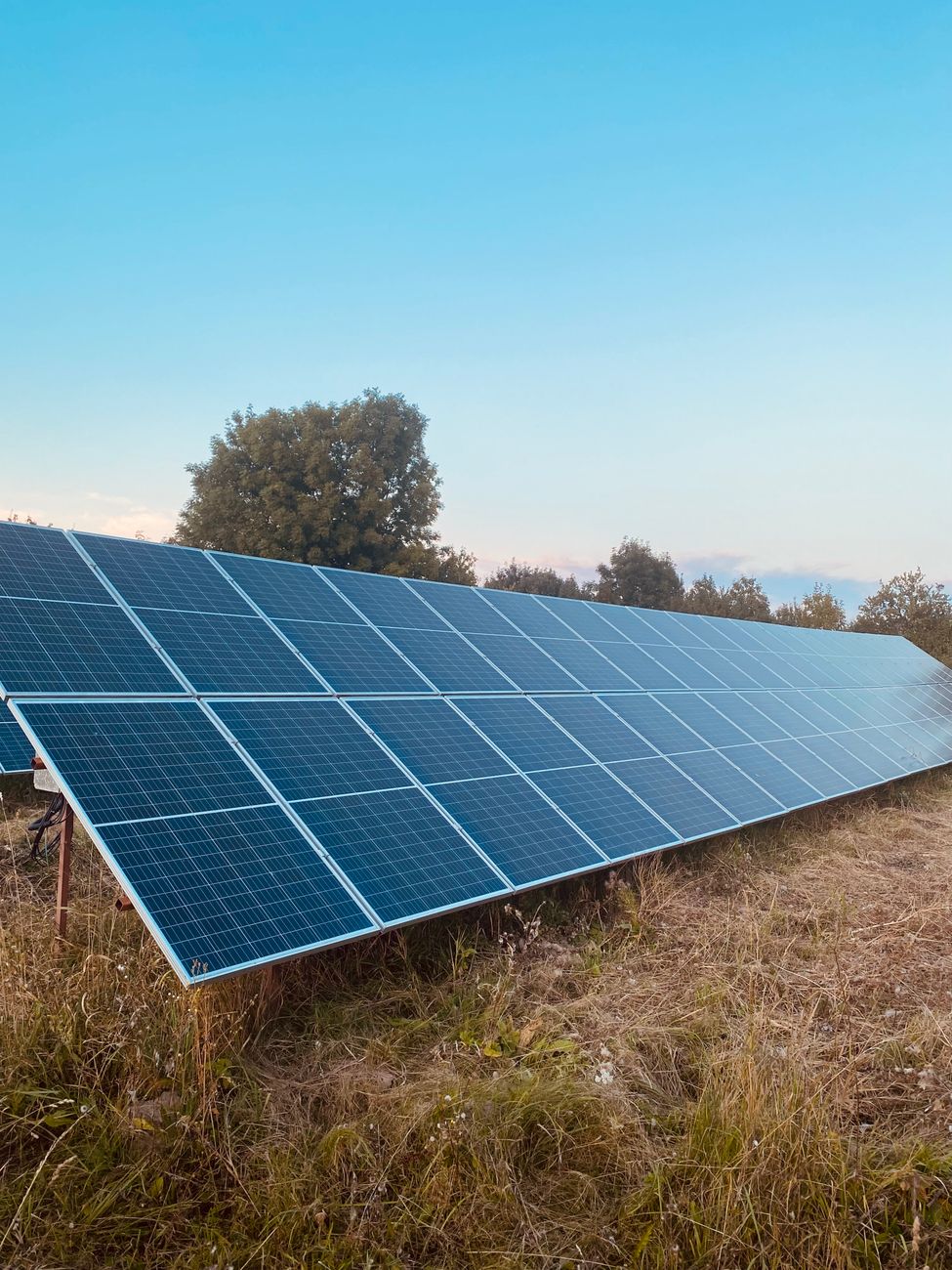
A privately financed 7.1 MWp solar installation at Coega Steels illustrates how renewable-energy investment can be linked directly to manufacturing demand, electricity costs, and industrial expansion.
South African financial services group Fedgroup has closed a R51.8 million financing agreement for a 7.1 MWp solar photovoltaic (PV) installation at Coega Steels in the Eastern Cape.
The agreement covers 75% of the project’s funding through an instalment sale structure, with Coega Steels contributing a 25% deposit (reported at approximately R17.3 million). Delivered in partnership with Emergent Energy, the project combines rooftop and ground-mounted solar installations at the company’s industrial facilities in the Coega Industrial Development Zone (IDZ).
The development illustrates a growing commercial opportunity for private investors seeking exposure to energy infrastructure serving established industrial customers.
How the Financing Works
Renewable-energy infrastructure requires substantial upfront capital investment. For industrial businesses, that expenditure often competes with funding needed for equipment, production capacity, and core operating requirements.
An instalment sale arrangement provides an alternative to paying full capital costs immediately. Under such structures, capital expenditure is repaid through agreed instalments subject to contractual terms, allowing businesses to deploy energy infrastructure while preserving working capital.
In Coega Steels’ case, Fedgroup provided R51.8 million in financing while the manufacturer contributed the remaining deposit. Precise financing terms—including the repayment period and interest charges—have not been publicly disclosed, though these metrics remain critical for a complete investment-return assessment.
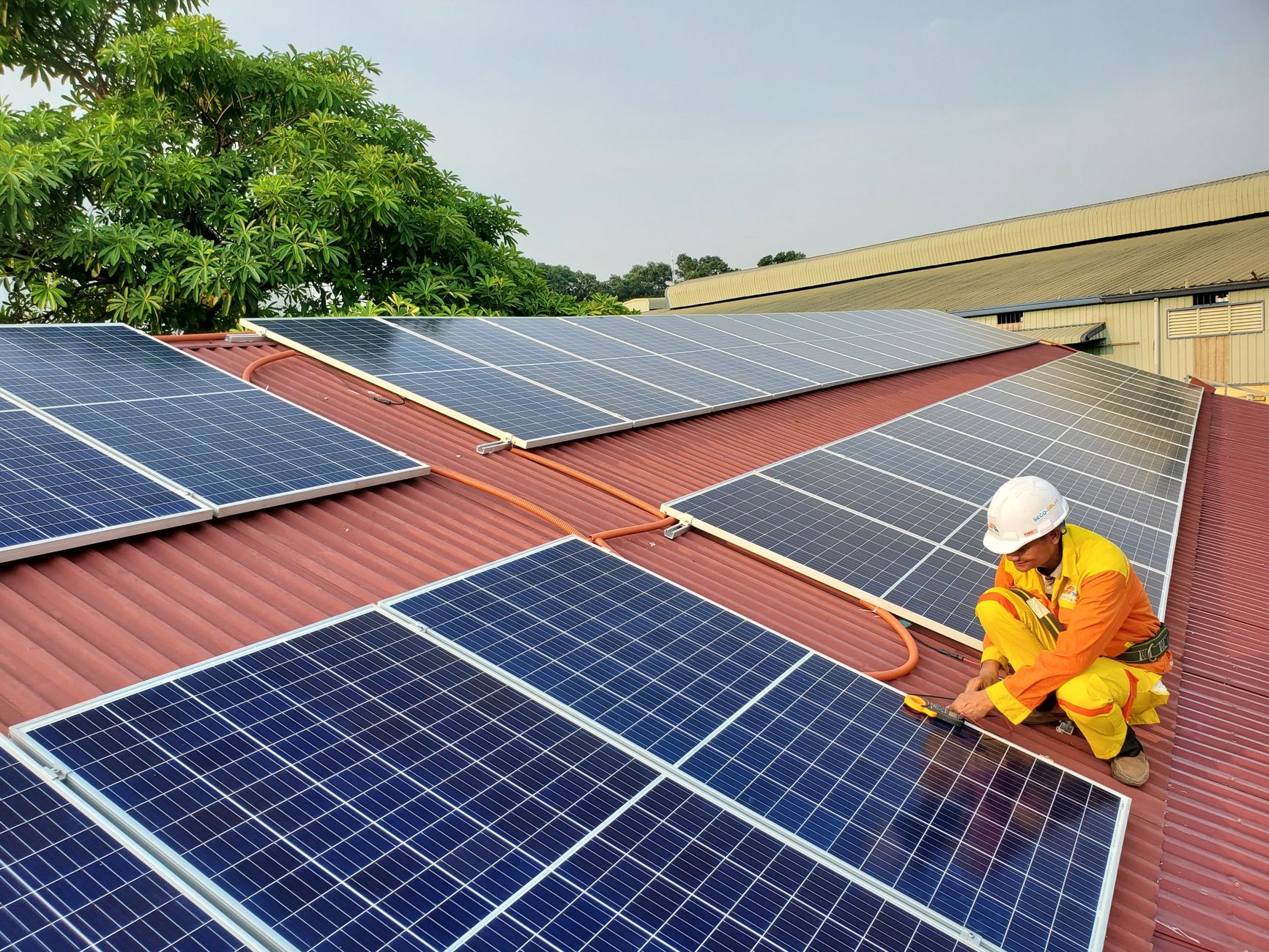
A 7.1 MWp Industrial Installation
The solar project is split across several operational components:
- New Building (Rooftop): ~2.5 MWp
- Existing Building (Rooftop): ~1.4 MWp
- Ground-Mounted: ~3.2 MWp
Together, these installations provide approximately 7.1 MWp of total photovoltaic capacity, expected to generate around 9.3 GWh of electricity annually. Projected first-year electricity savings stand at approximately R19.2 million (forecasted estimates rather than audited operating results).
Separate reporting from late October indicated that the solar installation had already generated approximately 6 million kilowatt-hours, with a 50 MWh battery energy storage system (BESS) nearing commissioning. The battery project is distinct from the primary solar installation when assessing capital expenditure and operating performance.
| Component | Technical Details |
| Total PV Capacity | 7.1 MWp (Rooftop + Ground-Mounted) |
| Annual Generation (Projected) | ~9.3 GWh |
| Est. Year-1 Cost Savings | ~R19.2 Million |
| Debt Financing (Fedgroup) | R51.8 Million (75%) |
| Equity Deposit (Coega Steels) | ~R17.3 Million (25%) |
| Storage Asset | 50 MWh BESS (nearing commissioning) |
Why Manufacturers Are Investing in Electricity
Steel manufacturing requires massive, continuous energy inputs. Electricity tariffs and grid reliability directly affect production schedules, operating margins, and the final price competitiveness of finished goods.
On-site renewable generation reduces the volume of electricity purchased from the municipal or national grid during daylight hours, helping manage exposure to steep tariff increases. However, solar generation alone cannot provide continuous power; operations running outside daylight hours still require grid power, storage, or secondary generation. Combining solar with battery storage provides additional operational flexibility, though financial performance depends on system configuration and load profiling.
An Emerging Investment Opportunity
For private capital providers, industrial renewable-energy infrastructure offers exposure to projects backed by identifiable, localized demand. Unlike utility-scale projects reliant on long-term offtake uncertainty, the commercial case here can be measured directly against an existing customer’s consumption, operational requirements, and balance-sheet capacity.
Nonetheless, industrial energy assets carry distinct risk profiles:
- Equipment performance and degradation
- Customer creditworthiness and counterparty risk
- Long-term maintenance costs and operational uptime
- Contractual obligations and evolving grid electricity tariffs
Further Expansion Planned
Coega Steels has outlined plans to add a further 19.8 MW of solar capacity by the end of 2027. Fedgroup has expressed interest in supporting this additional infrastructure through direct financing, though the expansion currently remains a development plan rather than a finalized transaction.
The Coega Steels project demonstrates how energy financing is becoming integrated with industrial development across Southern Africa. For Energy Investor, the broader question is whether similar bilateral structures can be scaled across manufacturing, mining, and commercial hubs elsewhere on the continent.
Energy Investor Question™
Could privately financed industrial solar become a larger investment market than conventional utility-scale renewable-energy procurement across Africa?

