
A financing structure built around industrial demand
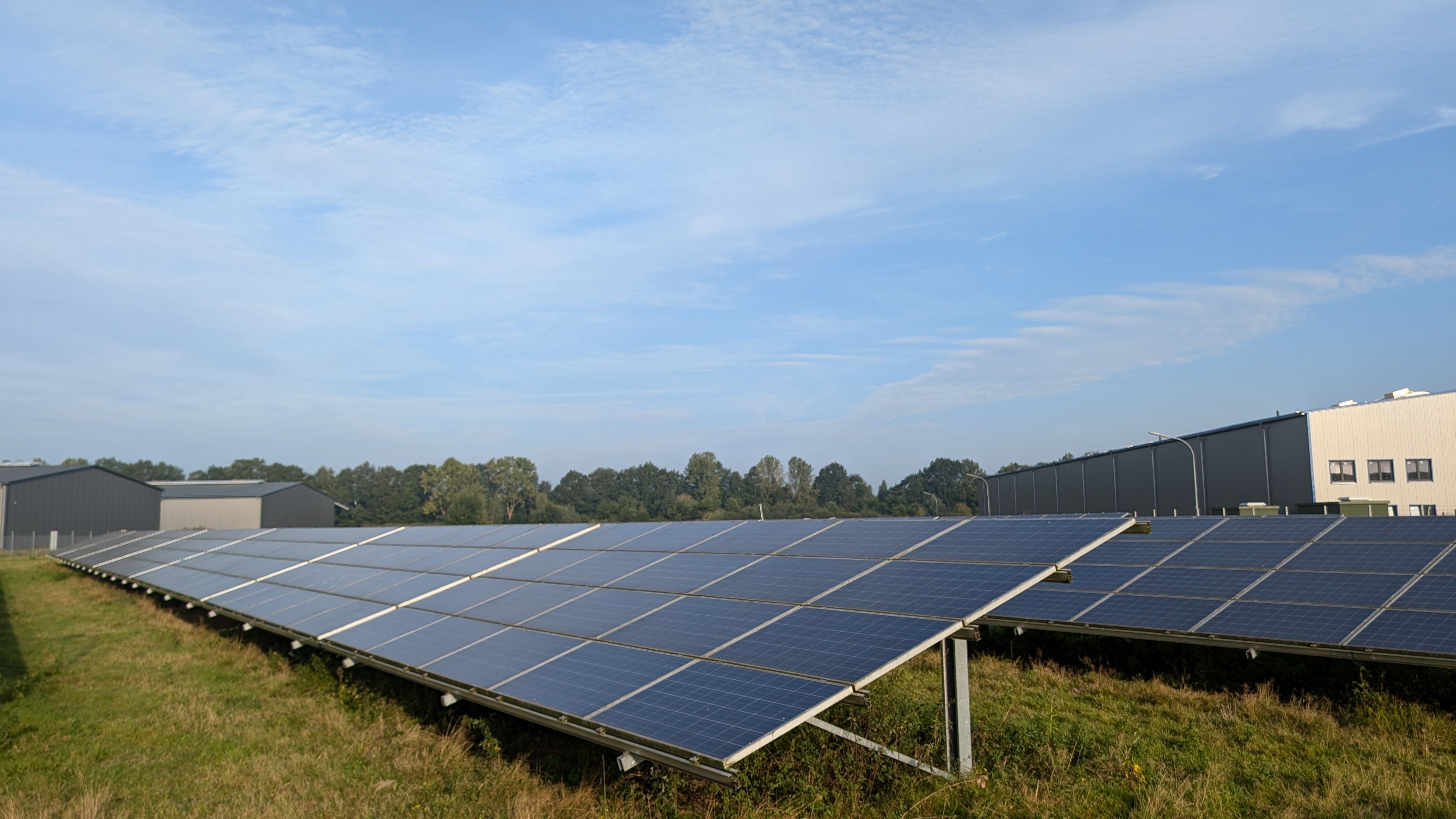
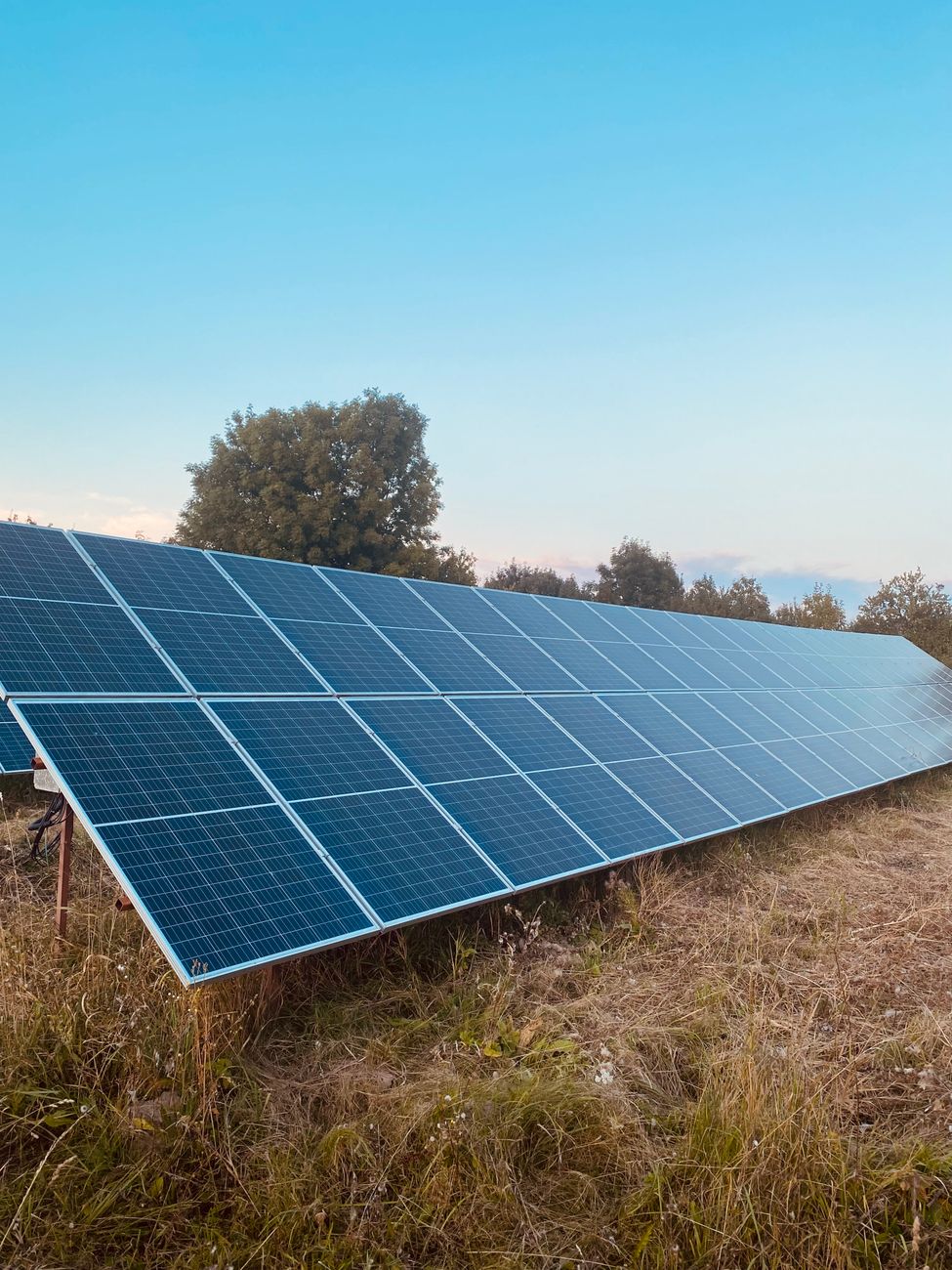
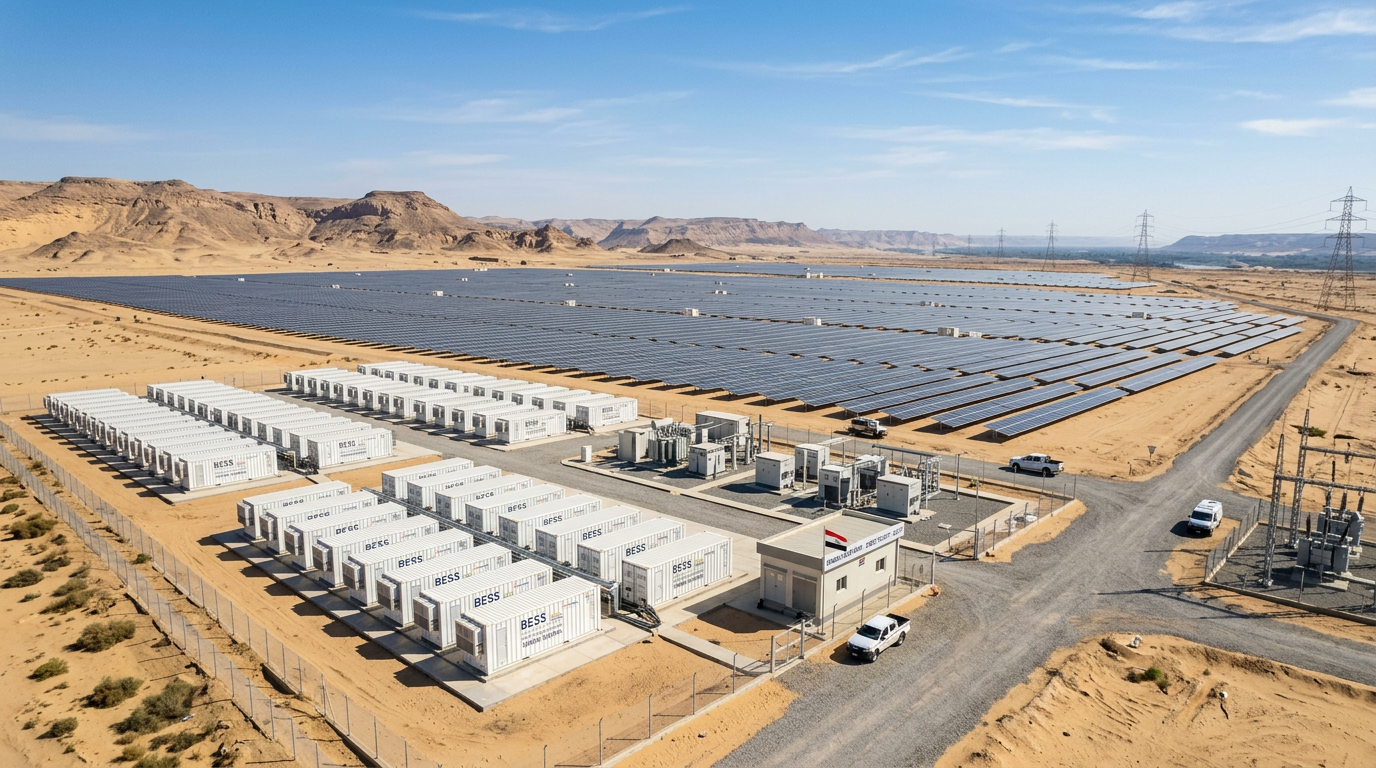
Norwegian renewable-energy developer Scatec announced on 28 October 2026 that it had signed loan agreements for the first phase of the Dandara solar-and-battery project in Egypt and was starting construction. The first phase comprises a 569 MW solar facility and 100 MWh battery energy-storage system. It will supply Egypt Aluminium under a 25-year power-purchase agreement backed by a sovereign guarantee. The financing is an earlier announcement being examined here as an investment case study, not a new 18 November financial close.
How the $217 million package is structured
Scatec reported US$217 million of non-recourse project financing from the European Bank for Reconstruction and Development, African Development Bank and European Investment Bank. That amount represents about 80% of the first phase’s estimated US$271 million capital expenditure. The AfDB separately disclosed a US$66 million financing agreement, comprising US$46 million from its ordinary resources and US$20 million in concessional Clean Technology Fund financing. The AfDB amount forms part of the wider financing package and should not be added to US$217 million as if it were additional funding.
Why the offtaker matters
A large industrial customer offers a clearer route to electricity revenue than a merchant project exposed entirely to fluctuating spot prices. The 25-year PPA provides a long contractual horizon, while the sovereign guarantee addresses a specific payment-risk dimension. Neither feature eliminates construction, operating, currency or counterparty risk. The bankability question is whether the combination of offtake, guarantees, development-finance participation and project performance provides sufficient comfort for lenders and equity investors.
Solar power, storage and export competitiveness
Scatec expects the first phase to generate approximately 1.4 TWh of clean electricity annually and avoid more than 550,000 tonnes of carbon dioxide emissions each year, based on its project estimates. Electricity generated for aluminium production may also help the manufacturer respond to increasingly demanding environmental standards in export markets. Battery storage can improve the timing and reliability of renewable supply, although the published figures do not by themselves establish a fully round-the-clock renewable power solution.
Ownership, construction and next milestones
Scatec announced that National Bank of Egypt would take a 20% ownership stake. Following associated transactions, Scatec said its ownership interest would be 56%, including interests held through an EBRD platform. Scatec expects first-phase commercial operation in the first half of 2028 and plans to start the second phase in the first half of 2027. These are forward-looking targets, not completed milestones. Investors should watch construction progress, battery integration, delivery of the contracted electricity and the financing and equity arrangements for the next phase.
A replicable model?
Dandara offers a framework for assessing whether African manufacturers can procure competitively priced renewable electricity while developers secure bankable long-term contracts. Replication will depend on industrial demand, credit support, transmission access, policy stability and the availability of patient capital. The lesson is not that every factory needs a 569 MW solar park; it is that industrial electricity procurement can become an anchor for infrastructure financing.
ENERGY INVESTOR QUESTION™
Will access to contracted renewable electricity become a competitive advantage for African manufacturers selling into carbon-conscious global markets?