
A platform acquisition, not a single-asset deal
A.P. Moller Capital’s Emerging Markets Infrastructure Fund II has completed the acquisition of 100% of Mainstream Renewable Power South Africa, according to an announcement dated 17 November 2026. The transaction, executed through a special-purpose vehicle, transfers an established South African renewable developer and independent power producer to the infrastructure investor. Financial terms were not disclosed. The deal was first announced in June and has now closed. That distinction matters: this is a completed acquisition, not a new agreement to buy.
What the buyer actually acquired
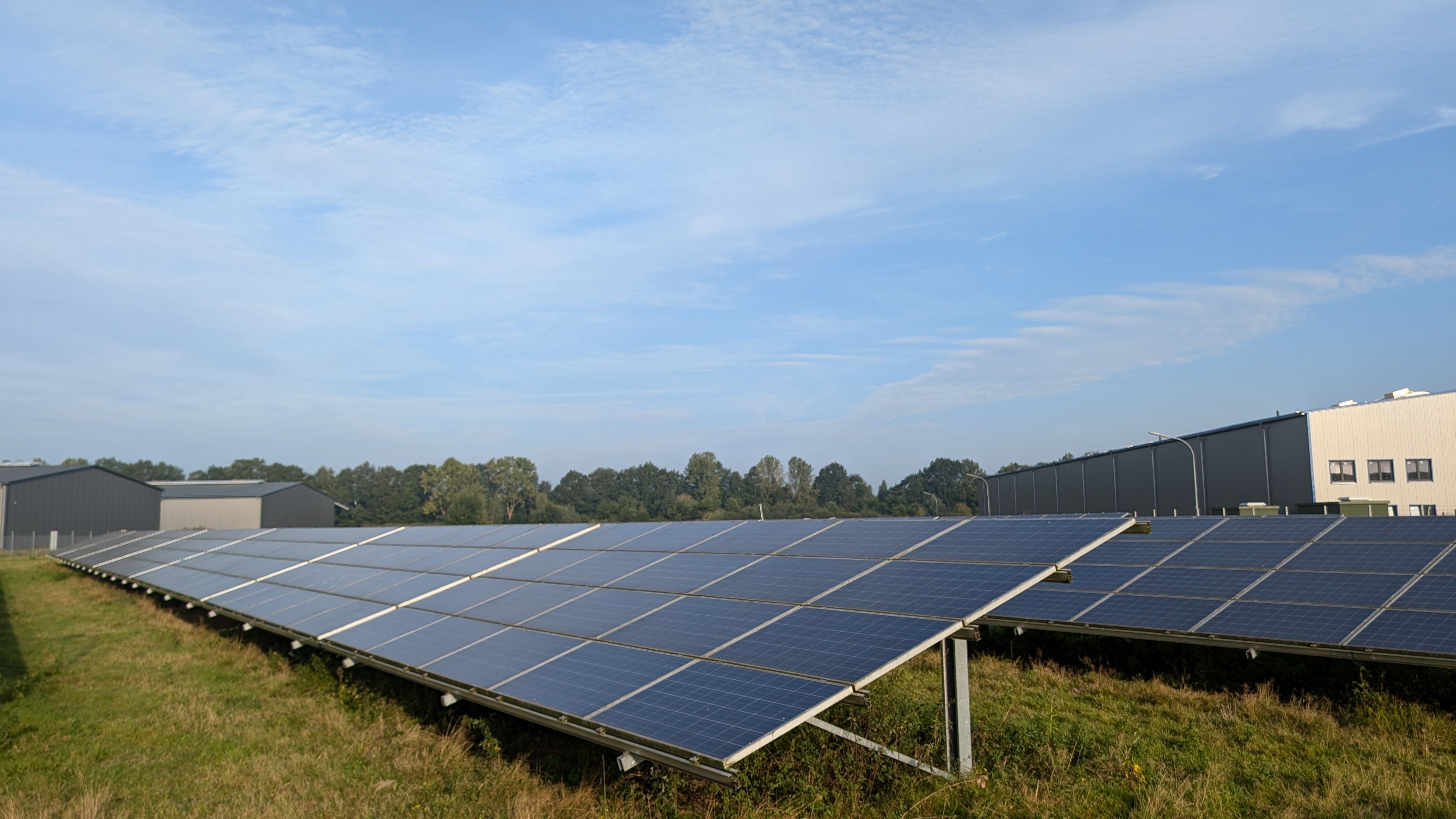
At completion, Mainstream South Africa reported 148 MW of operating renewable assets, 27 MW under construction, 329 MW of construction-ready projects and approximately 11.9 GW in its broader development pipeline. The portfolio spans solar, wind and battery storage. The development pipeline is a collection of potential future projects; it must not be presented as commissioned generation, contracted capacity or guaranteed investment. Turning it into operating infrastructure will require grid access, customer agreements, permits, capital and execution.
Why the business model matters
Mainstream South Africa has capabilities beyond project origination: development, energy trading, project delivery, asset management, operations and maintenance. It serves corporate customers and has established relationships with Sasol and Air Liquide. A.P. Moller Capital says it will work with the existing management team to grow the operating portfolio and energy-trading business. That combination suggests an investment thesis based on a repeatable platform rather than a single asset’s cash flows, although the investor has not disclosed valuation assumptions or forecast returns.
South Africa’s changing electricity market
Corporate electricity demand, regulatory reforms and the need to replace ageing coal generation create opportunities for private renewable supply. Yet demand alone does not convert a development pipeline into investable assets. Grid congestion, connection queues, power-purchase terms, financing costs and construction delivery remain decisive. The buyer’s ability to progress construction-ready projects and build a contracted portfolio will be more revealing than the headline pipeline figure.
The investor test
The most useful indicators over the next 12 to 24 months will be projects reaching financial close, new corporate power-purchase agreements, grid-connection milestones, commissioned megawatts and growth in recurring trading revenues. The acquisition may signal rising interest in integrated African renewable platforms, but one transaction does not establish a market-wide valuation trend. Energy Investor will also watch whether ownership by a long-term infrastructure fund improves project conversion and capital availability.
ENERGY INVESTOR QUESTION™
Is the next major opportunity in African renewables owning development platforms and their execution capabilities rather than buying individual power plants?